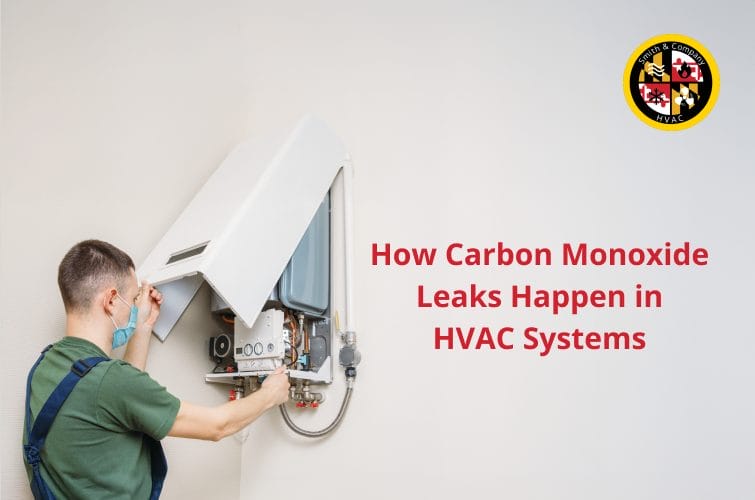
When it comes to home safety, carbon monoxide (CO) is one of the most dangerous and overlooked threats. Often referred to as the “silent killer,” carbon monoxide is a colorless, odorless gas produced by the incomplete combustion of fuel. If it leaks from your HVAC system, it can quickly fill your home without warning, posing serious health risks.
Understanding how these leaks occur and how to prevent them is crucial for maintaining your home’s safety and ensuring your system operates efficiently.
What Causes Carbon Monoxide Leaks in HVAC Systems
Carbon monoxide leaks usually stem from malfunctioning or poorly maintained heating equipment. While all fuel-burning appliances generate some amount of CO during operation, a properly functioning system vents it safely outside your home. When something goes wrong, however, that balance is lost.
Here are some common causes of CO leaks:
-
Cracked Heat Exchanger
The heat exchanger in a furnace separates the combustion gases from the air circulating in your home. Over time, metal fatigue, corrosion, or poor maintenance can cause it to crack, allowing CO to mix with indoor air.
-
Blocked or Damaged Flue Pipes
The flue or vent pipe carries combustion gases away from the appliance. If it’s blocked by debris, rust, or bird nests, these gases can back up and enter your living space.
-
Improper Ventilation
Poor airflow or improper duct design can prevent gases from venting efficiently, trapping dangerous fumes indoors.
-
Faulty Furnace Installation
When a furnace is not properly installed or adjusted, it may burn fuel inefficiently, producing higher levels of carbon monoxide. Always hire a certified HVAC contractor for installation to avoid this risk.
-
Dirty or Clogged Burners
Dust, soot, or corrosion can affect how fuel burns in your furnace, leading to incomplete combustion, a key source of CO buildup.
Warning Signs of a Carbon Monoxide Leak
While CO itself is undetectable without a proper detector, your HVAC system may give off clues that something is wrong. Look out for:
- Unusual odors, like a faint burning or gas smell
- Yellow or flickering furnace flames (instead of blue)
- Soot or rust buildup around the furnace or vents
- Excess condensation on windows or walls near the heating unit
- Frequent headaches, nausea, or dizziness among family members
If you notice any of these warning signs, shut off your system immediately, leave your home, and call emergency services. Then, contact a professional for HVAC repair services to locate and resolve the issue safely.
How to Prevent Carbon Monoxide Leaks in Your HVAC System
The best way to prevent carbon monoxide exposure is through proactive HVAC maintenance and safety awareness. Here are the most effective steps homeowners can take:
-
Schedule Regular Inspections
Have your heating system checked by a licensed HVAC contractor at least once a year. Professional inspections detect small issues, such as cracks, leaks, or corrosion, before they become hazardous and potentially cause damage.
-
Install Carbon Monoxide Detectors
Place CO detectors near bedrooms, living areas, and the furnace. Test them monthly and replace batteries twice a year.
-
Replace Air Filters Regularly
Dirty filters reduce airflow and can cause your furnace to overheat or malfunction. Replace them every 1–3 months, depending on usage.
-
Keep Vents Clear
Ensure that vents and flue pipes remain unobstructed by leaves, snow, or debris. Blocked vents are a common cause of CO buildup.
-
Don’t Ignore Unusual Noises or Odors
Strange furnace behavior often signals trouble. Unusual sounds or smells should prompt an immediate professional inspection.
-
Opt for Annual Furnace Tune-Ups
Preventive HVAC maintenance includes cleaning burners, inspecting heat exchangers, and ensuring proper airflow, all of which help prevent leaks.
The Dangers of Ignoring a Carbon Monoxide Leak
Even low levels of carbon monoxide exposure can cause serious health problems over time. Prolonged exposure leads to:
- Fatigue and confusion
- Chest pain or shortness of breath
- Nausea, vomiting, and dizziness
- In severe cases, unconsciousness or death
According to the Centers for Disease Control and Prevention (CDC), hundreds of people die each year due to accidental CO poisoning. Regular HVAC repair services and maintenance are your strongest defense against this silent hazard.
Reliable HVAC Care You Can Trust
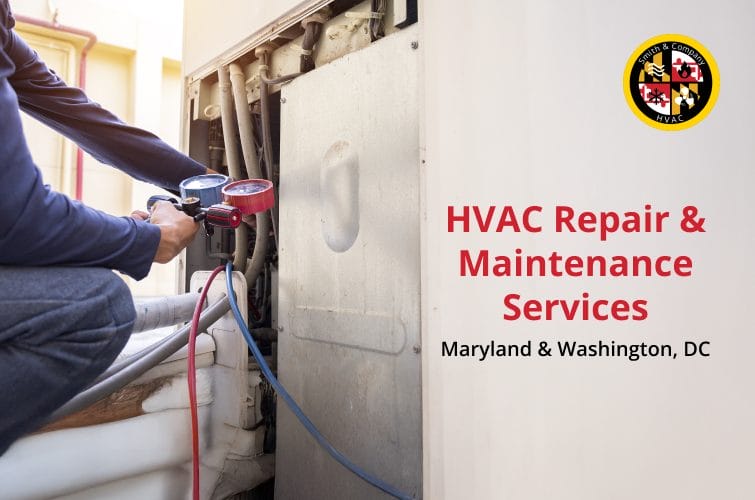
At Smith & Company HVAC, we focus on your home’s safety and comfort through professional care and precision. Our services include:
- Comprehensive HVAC maintenance to ensure efficient, long-lasting system performance
- Thorough inspections to detect and prevent potential carbon monoxide leaks early
- Trusted HVAC repair services to restore your system’s safety and reliability
- Certified HVAC contractors serving Maryland and Washington, D.C., trained in advanced diagnostic methods
- Preventive care that improves indoor air quality and protects your family year-round
Regular maintenance keeps your system efficient, safe, and ready for every season. Schedule a professional HVAC safety inspection with us today to experience comfort backed by confidence and expert care.
Frequently Asked Questions
1. How often should I schedule HVAC maintenance?
At least once a year, ideally before winter, to detect potential issues early and maintain safe operation.
2. Can an electric HVAC system cause carbon monoxide leaks?
No. Only systems that burn fuel, such as natural gas, propane, or oil, produce carbon monoxide.
3. What’s the most common source of CO leaks in furnaces?
A cracked heat exchanger or blocked vent pipe is usually the main culprit.
4. How can I tell if my CO detector is working properly?
Test it monthly using the built-in test button and replace batteries every six months.
5. Do you offer 24-hour HVAC repair services for emergencies?
Yes, Smith & Company HVAC provides around-the-clock repair and maintenance services in Maryland and D.C.