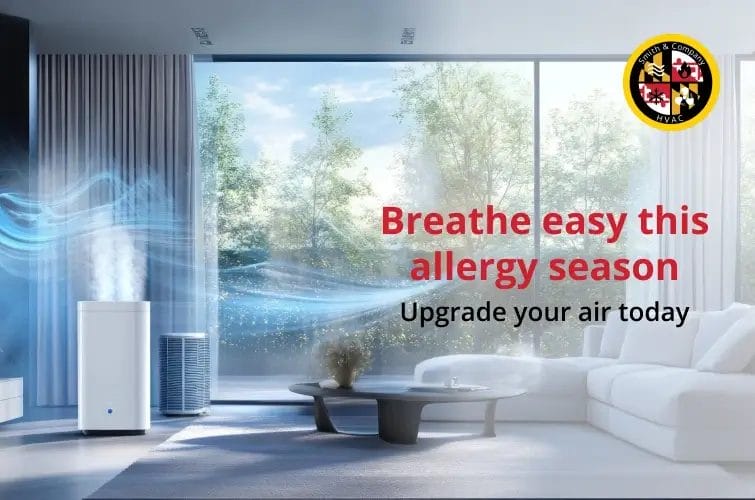
Allergy season does not stay outdoors. Pollen, dust, and microscopic irritants can enter your home and continue circulating through your HVAC system, often worsening symptoms even when windows are closed. HVAC upgrades for indoor air quality can transform your system from a basic temperature-control unit into one that actively filters and improves the air you breathe.
When your HVAC system is not optimized, it simply recirculates contaminated air throughout your home. With the right upgrades and consistent maintenance, you can significantly reduce airborne allergens and create a cleaner, healthier indoor environment.
Why indoor air quality matters during allergy season
During peak allergy months, indoor air can contain the same irritants found outside, sometimes in even higher concentrations. Poor filtration, inadequate airflow, and imbalanced humidity allow allergens to linger, triggering symptoms like sneezing, congestion, and fatigue.
Many homeowners assume indoor air is safer, but without proper HVAC performance, pollutants continue to circulate. Since your HVAC system runs continuously, it directly impacts the air quality in every room. Improving indoor air quality is not just about comfort; it is essential for maintaining a healthier living environment.
Key HVAC upgrades for indoor air quality
Once you understand how your HVAC system affects indoor air quality, the next step is to make targeted improvements that enhance filtration, airflow, and overall performance.
-
Upgrade to high-efficiency air filters
One of the most effective ways to improve indoor air quality is by upgrading to high-efficiency air filters. Standard filters often fail to capture fine particles like pollen and dust, allowing them to recirculate through your home.
High-performance filters trap microscopic pollutants before they spread, significantly improving the air you breathe. Their effectiveness depends on regular replacement, which helps maintain proper airflow and system efficiency.
-
Install a whole-home air purifier
A whole-home air purifier integrates directly with your HVAC system to clean the air across your entire space. Unlike portable units, it ensures consistent purification in every room.
It continuously removes allergens and pollutants while improving airflow throughout your home. This creates a more balanced indoor environment and reduces the need for multiple standalone units.
-
Add a humidity control system
Humidity plays a critical role in indoor air quality. High moisture levels can lead to mold growth, while overly dry air can irritate your respiratory system.
A humidity control system maintains balanced indoor moisture levels, preventing conditions that allow allergens to thrive while improving overall comfort during seasonal changes.
-
Upgrade to a smart thermostat
A smart thermostat improves how your HVAC system operates by optimizing airflow and maintaining consistent air circulation. Instead of only adjusting temperature, it helps prevent stagnant air where allergens tend to accumulate.
This results in a cleaner and more evenly conditioned indoor environment.
-
Improve ventilation systems
Proper ventilation is essential for maintaining fresh indoor air. Without it, pollutants remain trapped and continue circulating inside your home.
Upgraded ventilation systems allow fresh air to enter while removing stale air, creating a healthier balance and reducing allergen buildup.
-
Seal and clean air ducts
Air ducts can accumulate dust, debris, and mold over time. When your HVAC system runs, these contaminants spread throughout your home.
Cleaning and sealing ducts improves airflow and helps prevent allergens from circulating, ensuring cleaner air reaches every room.
-
Consider UV light installation
UV light technology provides an advanced solution for improving indoor air quality by targeting bacteria, viruses, and mold spores within your HVAC system.
Installed internally, it prevents microbial growth and enhances overall air sanitation, especially in environments where humidity increases the risk of mold.
The role of regular HVAC maintenance
Even the most effective upgrades require consistent maintenance to deliver long-term results. Without proper servicing, system performance can decline, reducing overall efficiency.
Regular maintenance includes inspecting filters, cleaning components, and ensuring proper airflow. Homeowners benefit from reliable services like HVAC maintenance service in Annapolis and Severna Park to keep systems running efficiently.
Access to 24-hour HVAC service in Annapolis also ensures that unexpected issues are resolved quickly, especially during peak allergy season.
Get cleaner indoor air with expert HVAC solutions
Smith & Company HVAC focuses on improving more than just system performance. Our goal is to help create healthier indoor environments that support comfort year-round, especially during allergy season.
We provide reliable HVAC maintenance services across Annapolis and Severna Park, focusing on system efficiency, long-term performance, and improved indoor air quality. If your system needs immediate attention, our 24-hour HVAC service in Annapolis ensures you receive prompt, dependable support when it matters most.
Serving Maryland and Washington, D.C., we deliver dependable HVAC solutions designed to keep your indoor air clean, balanced, and comfortable.
If your HVAC system is not performing as it should, upgrading it can make a noticeable difference in the quality of air you breathe every day.
FAQs
1. How often should HVAC filters be replaced during allergy season?
Filters should be replaced every one to two months to maintain effective air filtration and system performance.
2. Can HVAC upgrades reduce allergy symptoms?
Yes, improving filtration, airflow, and humidity control can significantly reduce indoor airborne allergens.
3. Is duct cleaning necessary for better air quality?
Yes, clean ducts prevent dust and contaminants from circulating, improving overall indoor air quality.
4. Do smart thermostats help improve air quality?
They improve airflow and circulation, reducing stagnant air where allergens can accumulate.
5. Why is professional HVAC maintenance important?
Regular maintenance ensures your system operates efficiently, improves air quality, and prevents unexpected breakdowns.