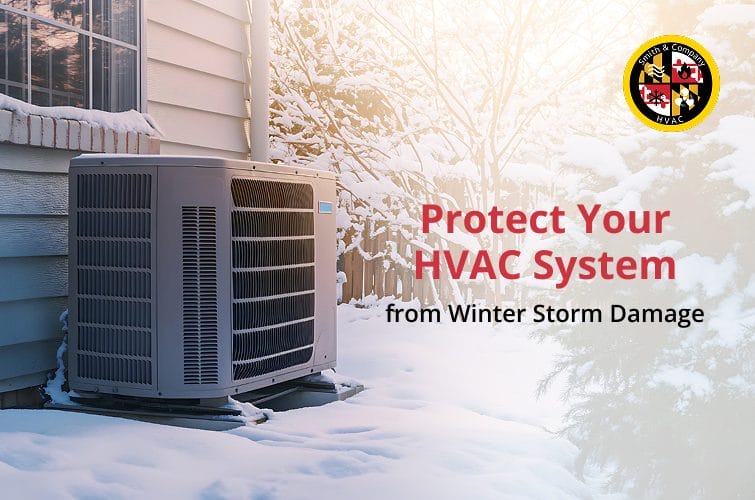
Winter storms in Maryland and Washington, D.C. bring freezing temperatures, heavy snow, and unpredictable power outages. These harsh conditions can put enormous stress on your heating system. Without proper preparation, even a well-functioning setup can struggle to keep up, leading to costly repairs or complete system failure. Safeguarding your HVAC system before and during winter storms ensures greater comfort, reliability, and long-term savings.
Whether you rely on a heat pump, furnace, or hybrid system, taking the right steps can protect your equipment from winter-related damage. This guide provides practical strategies to help homeowners strengthen their systems, reduce weather-related risks, and stay prepared for emergencies.
Why Winter Storms Threaten HVAC Systems
Winter storms can put serious strain on HVAC systems, impacting both comfort and performance. Snow and ice can block outdoor units and damage coils or fan blades, while power outages force systems to work harder once electricity returns. Debris can clog vents, and frozen pipes or refrigerant lines can cause costly damage. Being aware of these risks helps homeowners take proactive steps to protect their HVAC systems before winter problems arise.
1. Protecting Outdoor Units from Snow and Ice
Outdoor heat pump units and furnace exhaust vents are vulnerable during snowstorms. Snow accumulation can affect airflow, and ice buildup can strain the compressor or fan motor.
How to protect your outdoor unit:
- Clear snow from all sides of the unit to maintain airflow.
- Remove ice gently to avoid bending fins or damaging components.
- Maintain at least two feet of clearance around the unit.
- Trim nearby shrubs or trees that may drop branches during storms.
- Avoid fully covering the unit, as improper covers can trap moisture.
Consistent upkeep ensures your system does not overwork due to blockages or restricted airflow.
2. Scheduling Pre-Winter HVAC Maintenance Services
Prevention is always more cost-effective than emergency repairs. Scheduling seasonal HVAC maintenance services is one of the most important steps for winter protection.
A professional inspection typically includes:
- Checking electrical components
- Cleaning burners and heat exchangers
- Testing thermostat accuracy
- Inspecting ductwork for leaks
- Ensuring refrigerant levels are stable
- Verifying safe ignition and combustion
Routine maintenance reduces stress on the system during winter storms and increases overall efficiency. It can also catch early issues before they turn into unexpected failures during below-freezing temperatures.
3. Improving Indoor Airflow for Better Winter Performance
Proper airflow helps the system distribute heat evenly throughout your home. During winter storms, restricted airflow can cause unnecessary strain on motors, fans, and internal components.
Improve airflow by:
- Replacing air filters every 30 to 60 days
- Keeping vents open and unobstructed
- Cleaning dust and debris around vents
- Using ceiling fans on low to improve circulation
These simple steps prevent your HVAC system from overworking during harsh conditions.
4. Preparing for Power Outages During Winter Storms
Power outages are common in severe winter weather. Once power returns, systems often struggle to regain stable operation.
Here are some steps to stay prepared:
- Install surge protectors to prevent electrical damage
- Consider a backup generator to maintain heating during outages
- Turn off the HVAC system during outages to avoid abrupt restarts
- Allow the system to warm up gradually after power returns
This prevents overload, protects internal components, and ensures a smoother recovery after an outage.
5. Preventing Frozen Pipes and Refrigerant Lines
Frozen pipes and refrigerant lines can cause leaks, blockages, and pressure issues.
Protect your system by:
- Insulating exposed pipes and lines
- Keeping indoor temperatures above 55 degrees
- Sealing gaps around windows and doors
- Allowing faucets to drip slightly to prevent pipe freezing
Proper insulation reduces the risk of unexpected failures caused by harsh cold.
6. Using Smart Thermostats to Reduce Winter Stress on the System
Smart thermostats help regulate heating usage based on temperature changes, occupancy, and home habits. They also help lower the strain on the system during severe temperature drops.
Benefits include:
- More consistent indoor comfort
- Reduced energy consumption
- Alerts for filter changes or system issues
- Remote control for better storm preparedness
Smart controls contribute to smoother and more efficient system operation.
Why Choose Us: Professional HVAC Protection for Winter Storms
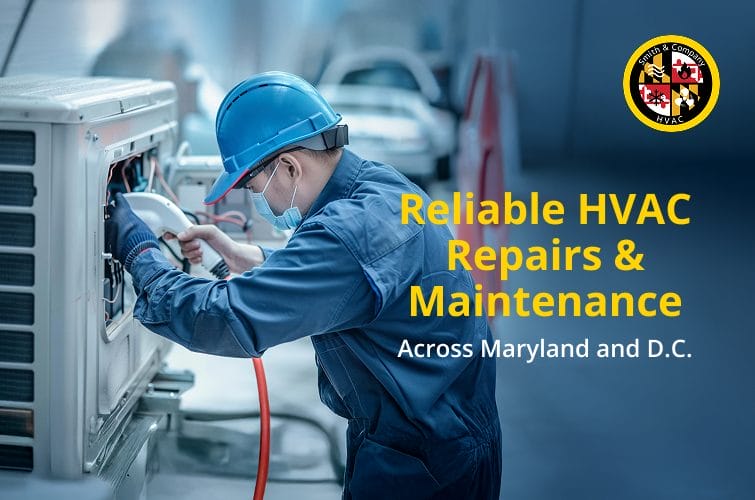
When winter storms hit, homeowners need reliable professionals who understand both the urgency and the complexity of seasonal HVAC challenges. At Smith & Company HVAC, we take pride in helping homeowners across Maryland and Washington, D.C. stay prepared, safe, and comfortable throughout the winter season.
Here is what we offer:
- Detailed inspections for winter readiness
- Preventive HVAC maintenance services
- Rapid response through our emergency HVAC services
- Skilled repair work by trusted HVAC contractor professionals
- System optimization for harsh winter conditions
- Expertise in furnaces, heat pumps, boilers, and hybrid systems
Whether you need preventive care or emergency repair, our team provides dependable services built on experience, accuracy, and customer care. Protect your comfort this winter by choosing Smith & Company HVAC for all professional heating inspections and system safeguarding needs. Call now and book your service today!
Frequently Asked Questions
1. How often should I clear snow from my outdoor HVAC unit?
It is best to clear snow after every heavy snowfall to maintain proper airflow and prevent ice accumulation that may strain the system.
2. Can winter storms affect indoor air quality?
Yes. Limited ventilation, dirty filters, and blocked intake vents can reduce indoor air quality during storms. Keeping filters clean helps maintain healthier airflow.
3. Should I shut off my HVAC system during a snowstorm?
There is no need to shut off the system unless a power outage occurs. In such cases, turning it off prevents damage during sudden restarts.
4. Can a thermostat malfunction in cold weather?
Thermostats can lose accuracy if they are not calibrated or if the batteries weaken during colder months. Regular checks help maintain proper function.
5. Does duct insulation help during winter storms?
Yes. Insulated ducts prevent heat loss, improve energy efficiency, and reduce strain on the system when temperatures drop rapidly.